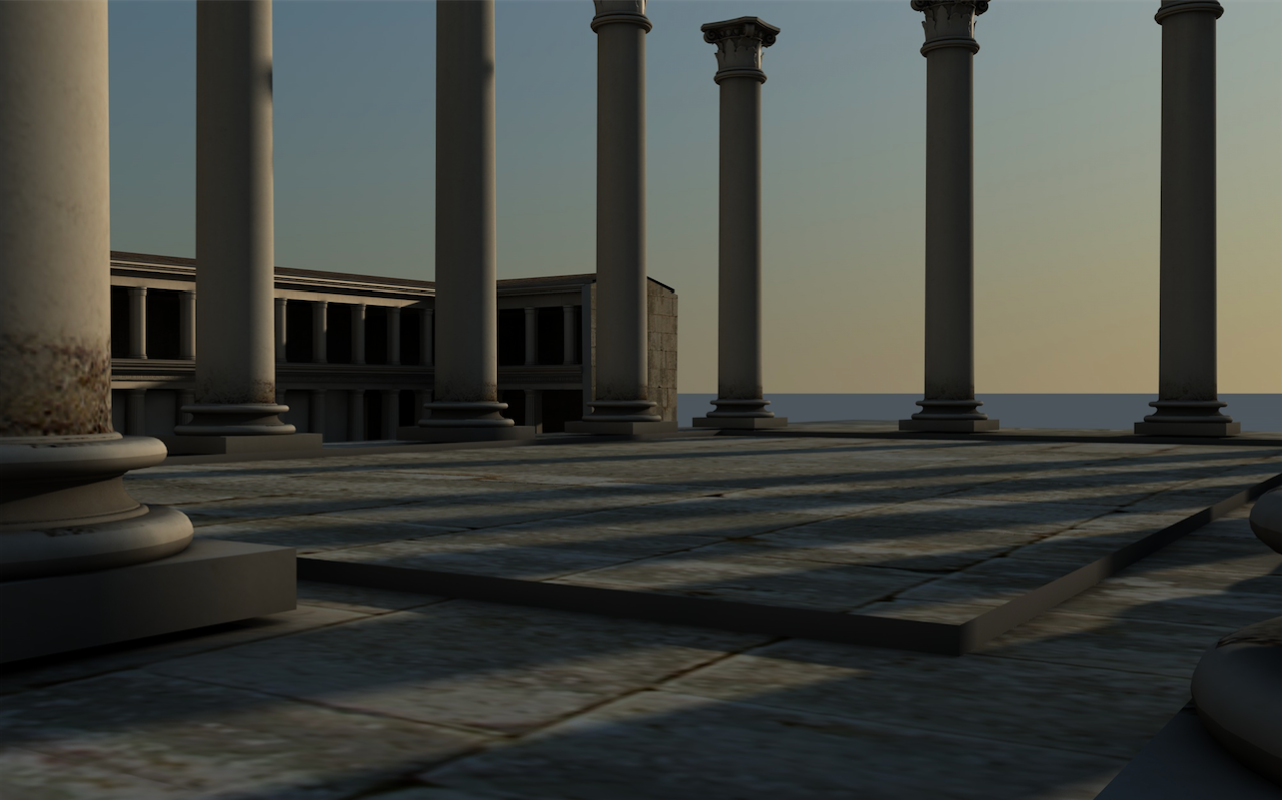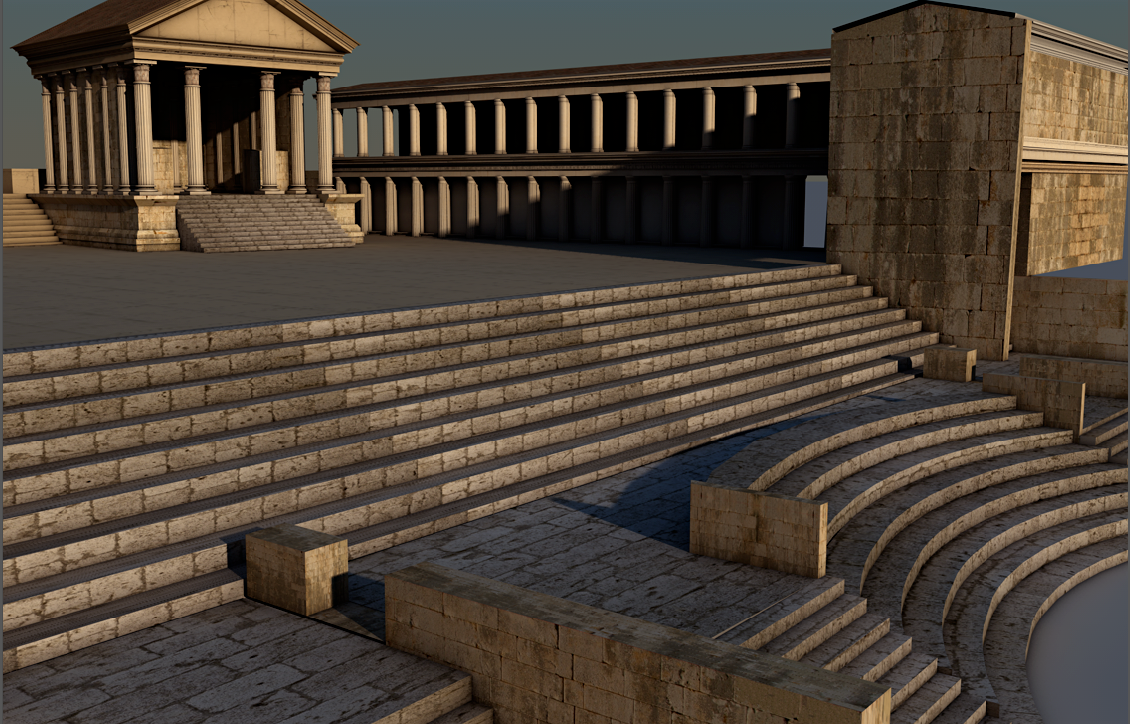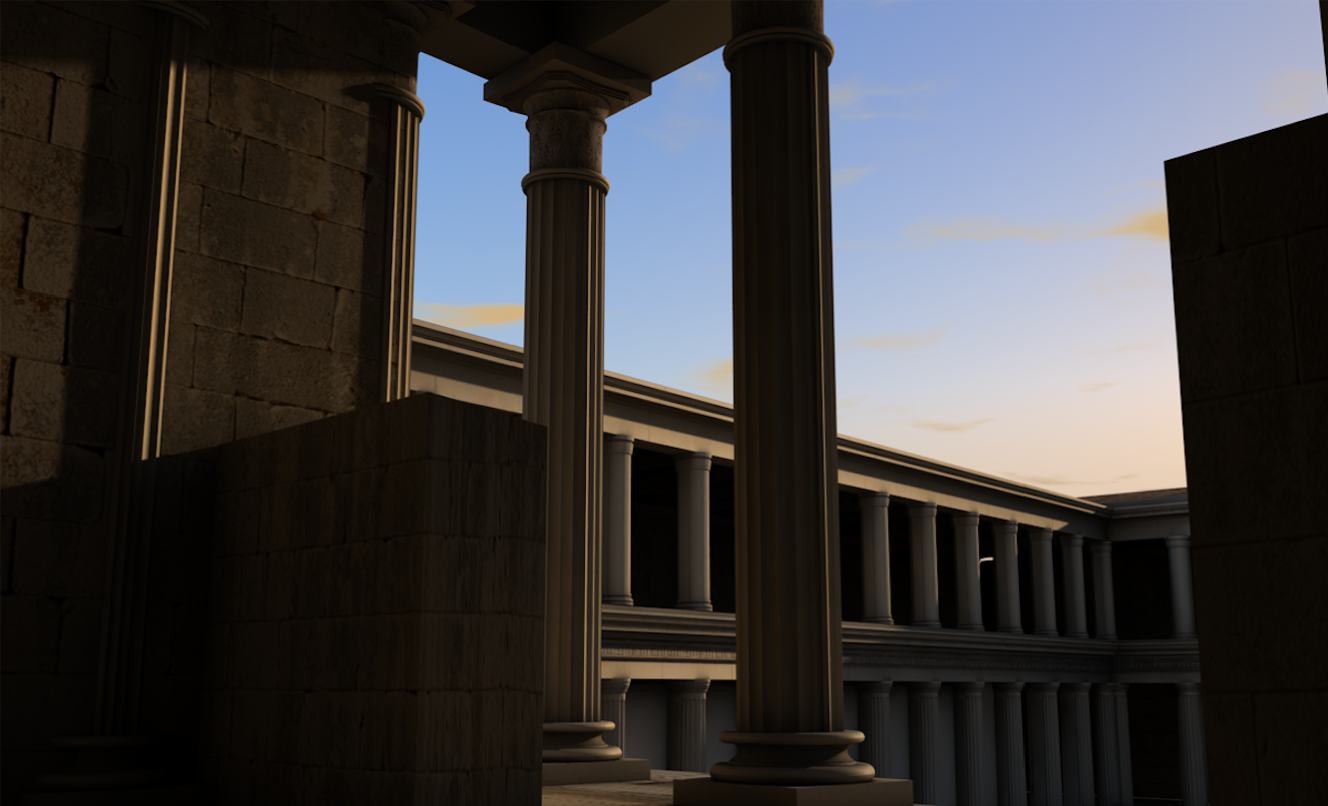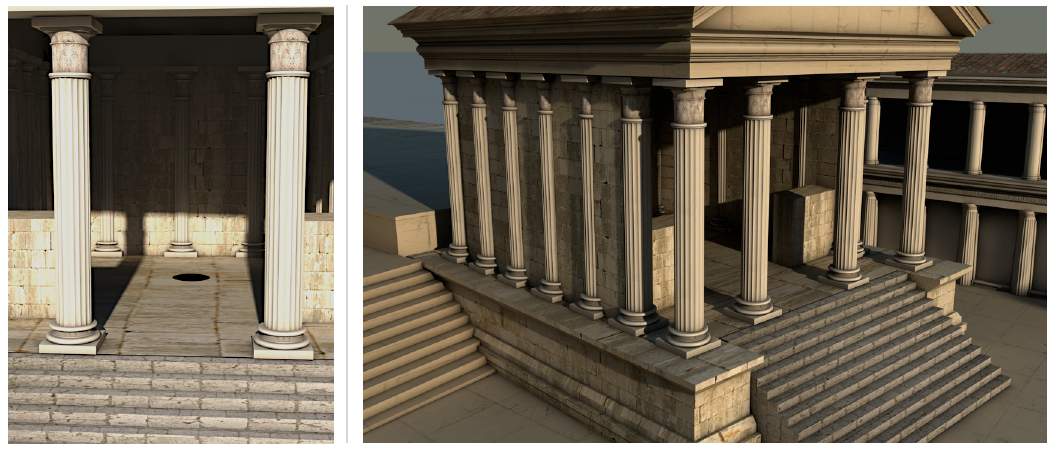
The Apollo Temple & Plutonium Experience - 3D & AR
2D & 3D Modeling | AR App Design | Research & Historical Interpretation | Content Production | Visual Storytelling
CONTEXT
As part of my Master’s thesis in Cultural Heritage and New Technologies, I spent seven transformative months with the Cultural Heritage Department of Salento University in Italy, participating in a field exchange with the Italian Archaeological Mission in Hierapolis, in collaboration with the Turkish government and UNESCO.
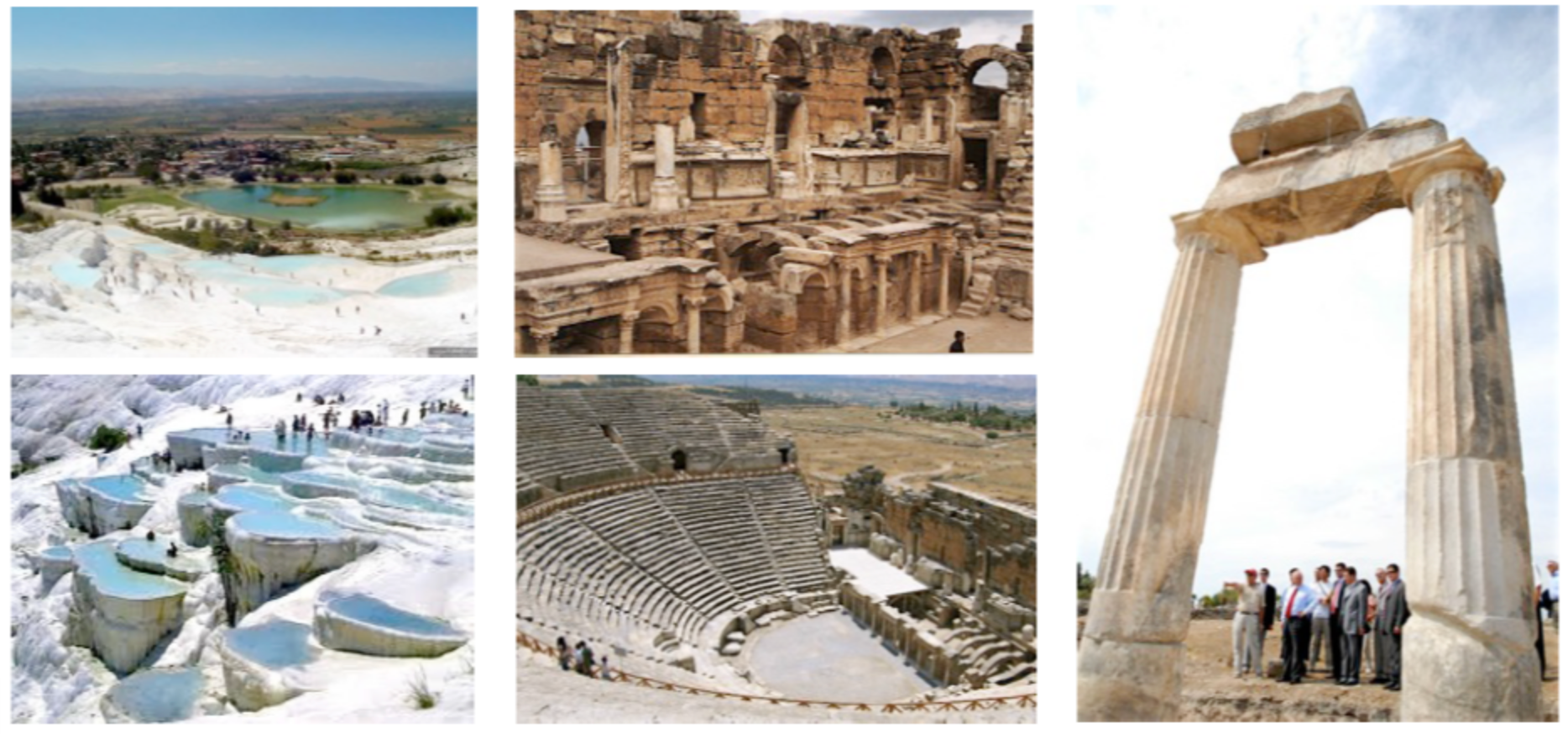
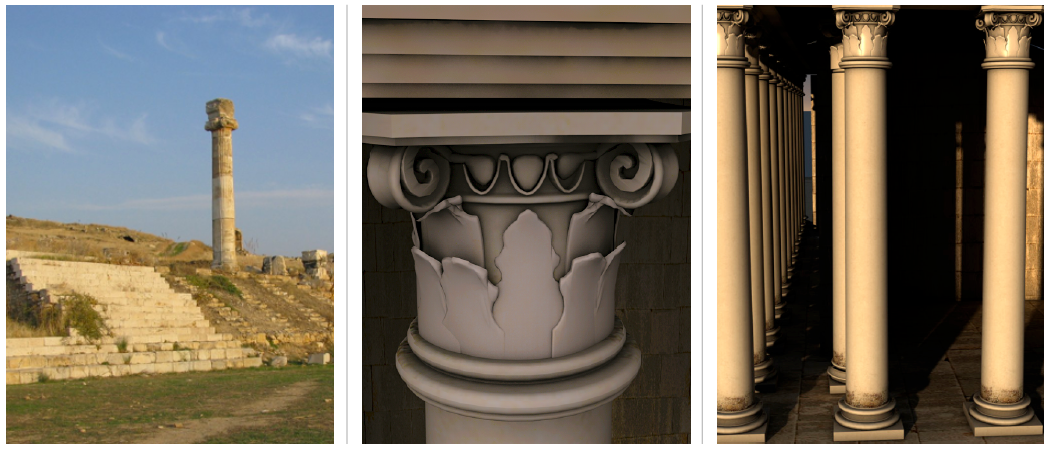
The focus of the project was the Apollo Sanctuary and the Plutonium in Hierapolis, an ancient Greco-Roman city located in present-day Turkey near the geothermal marvels of Pamukkale. Known for its mythological and archaeological significance, the site served as both a pilgrimage destination and a mystery cult center dedicated to Hades, the god of the underworld.
CHALLENGE
Despite remarkable archaeological discoveries, many elements of the site’s ritualistic use, symbolism, and subterranean architecture remained inaccessible to the public or difficult to visualize without guided interpretation. My objective was to use digital technologies and immersive storytelling to reconstruct, interpret, and bring to life these ancient spaces making them engaging and educational for scholars, tourists, and future generations.
WHAT I DID
I led the digital visualization and AR integration, merging archaeological accuracy with interactive user experience. My role spanned the full creative and technical pipeline:
3D Modeling & Reconstruction
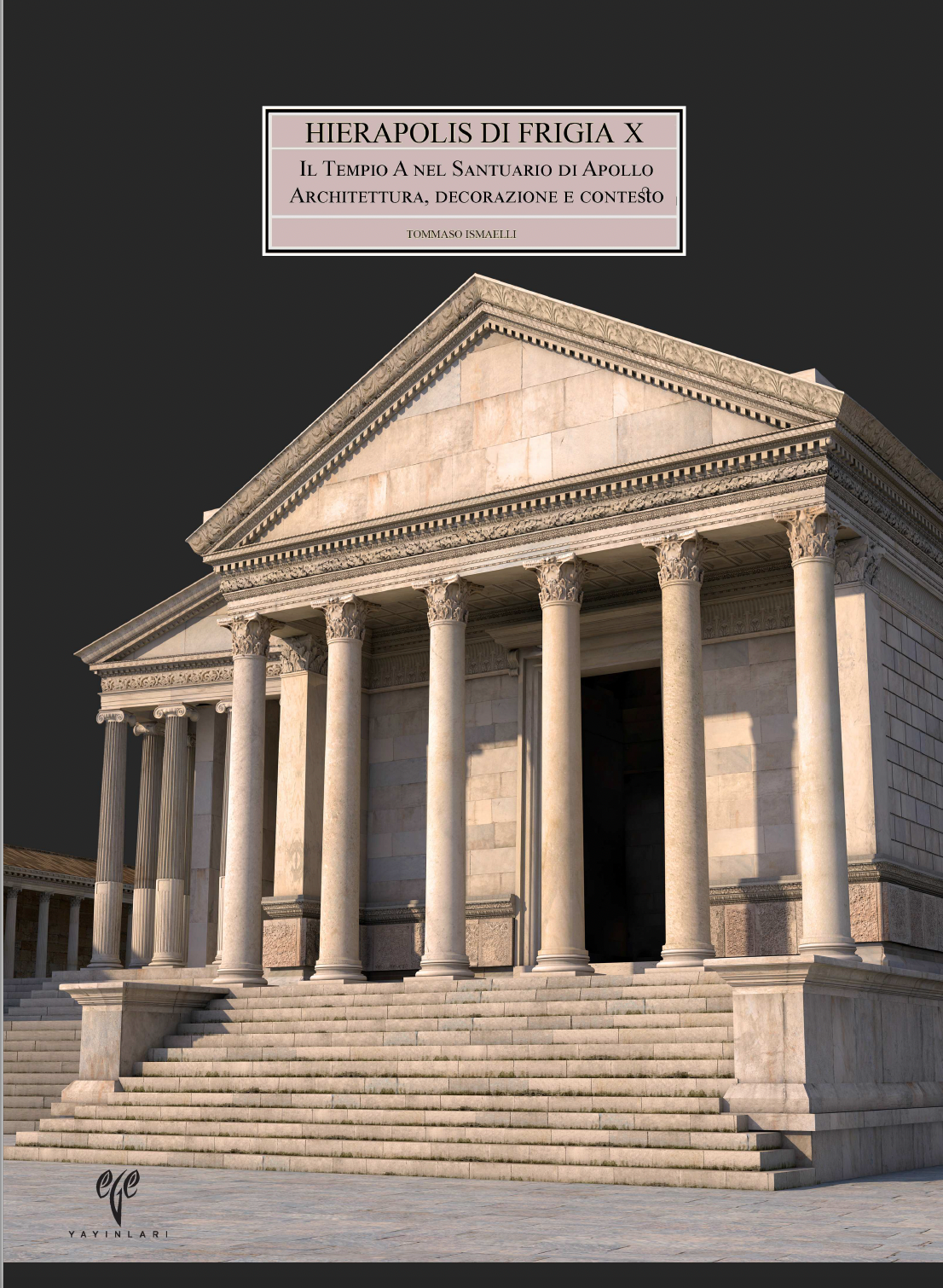
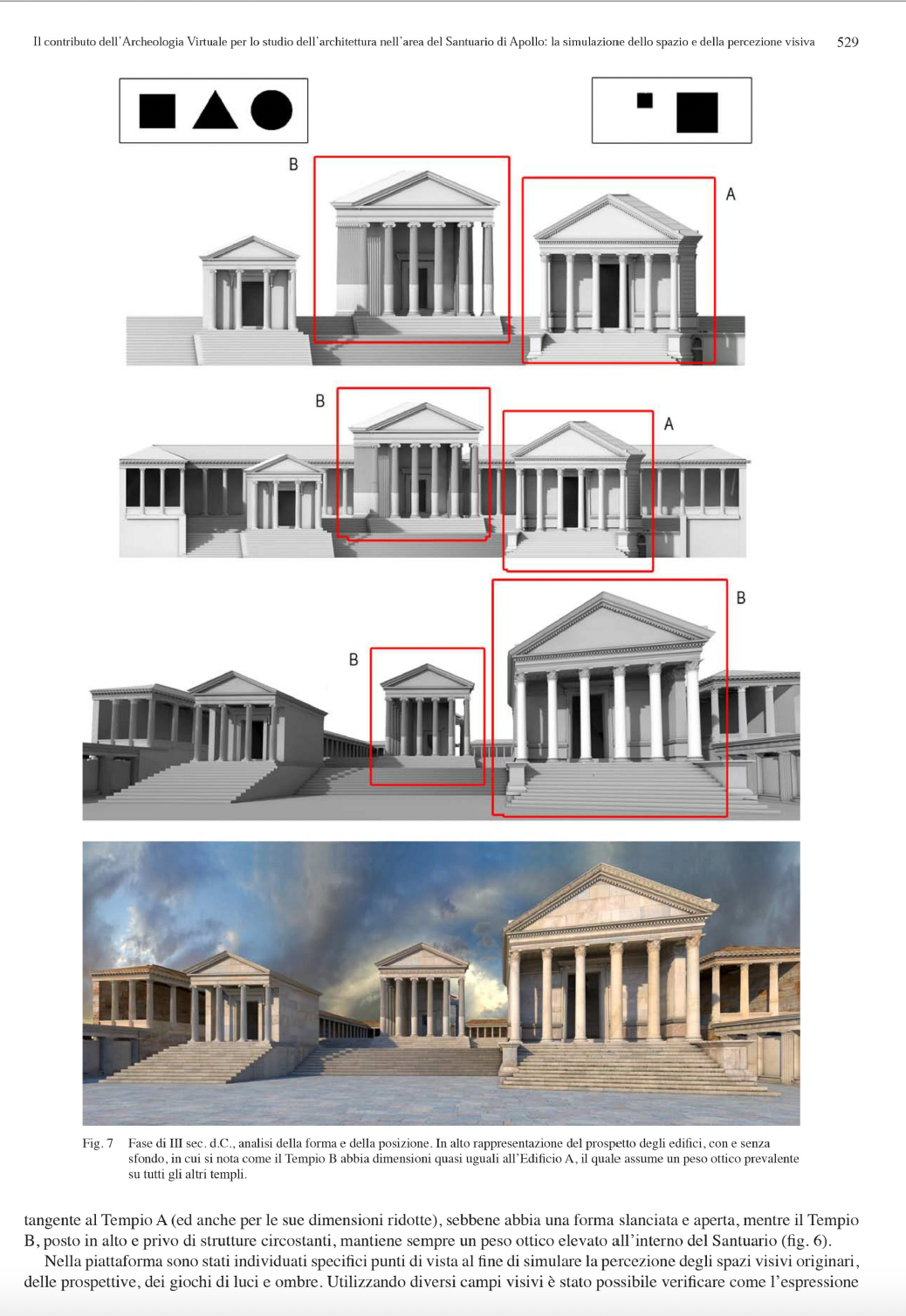
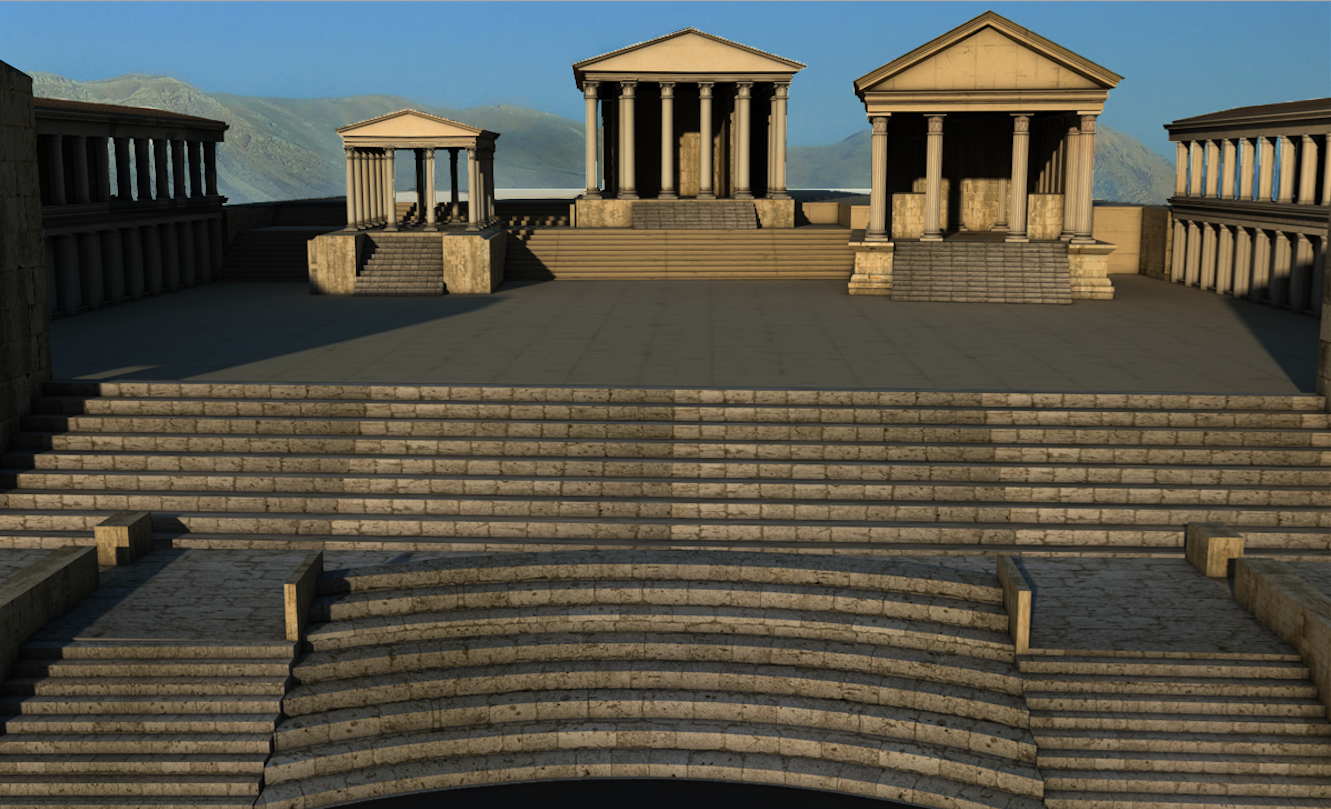
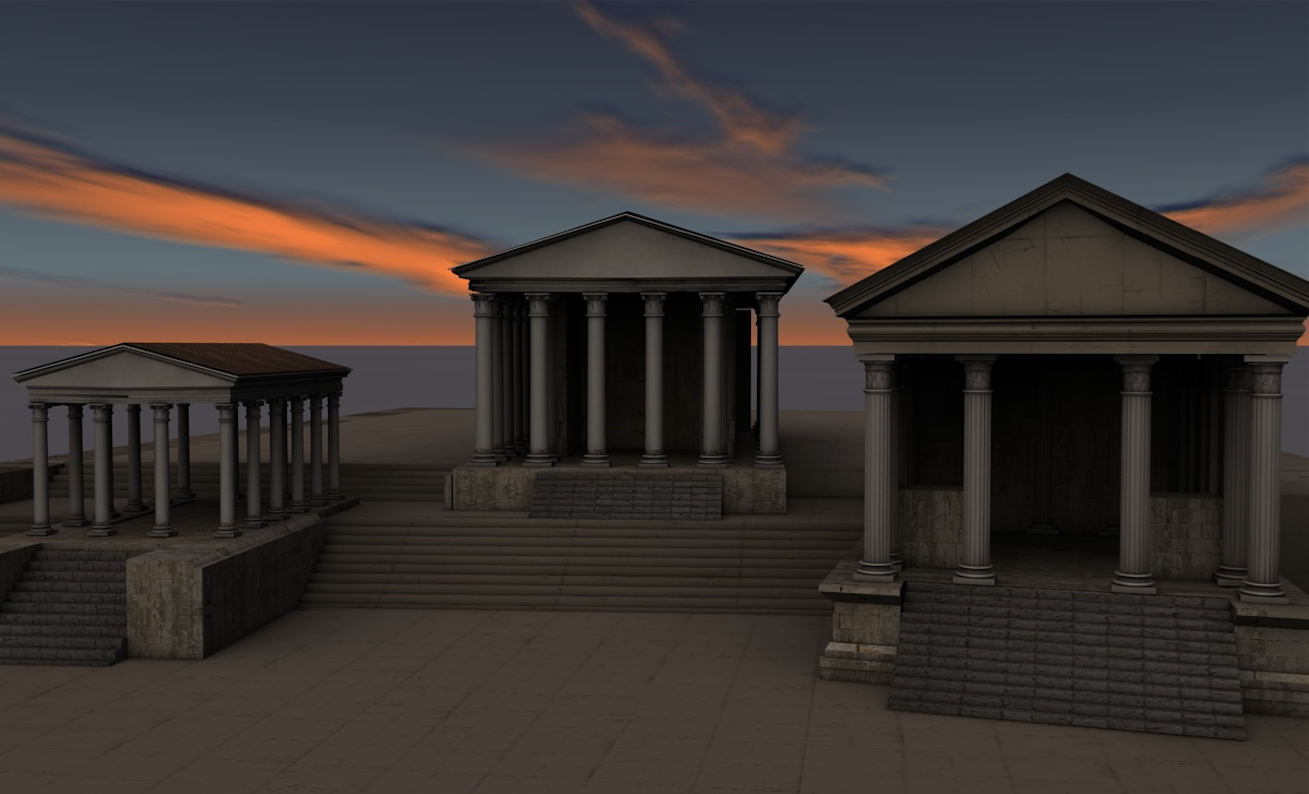
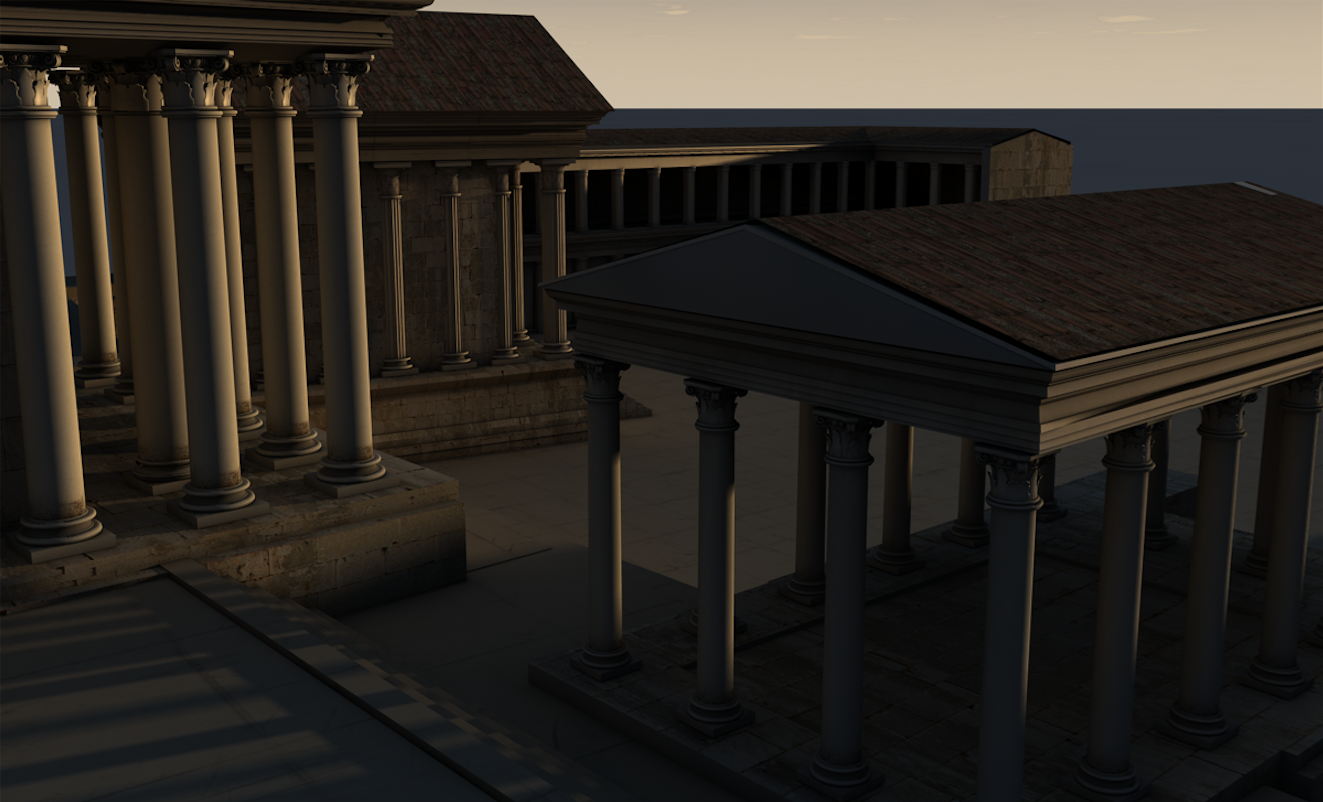
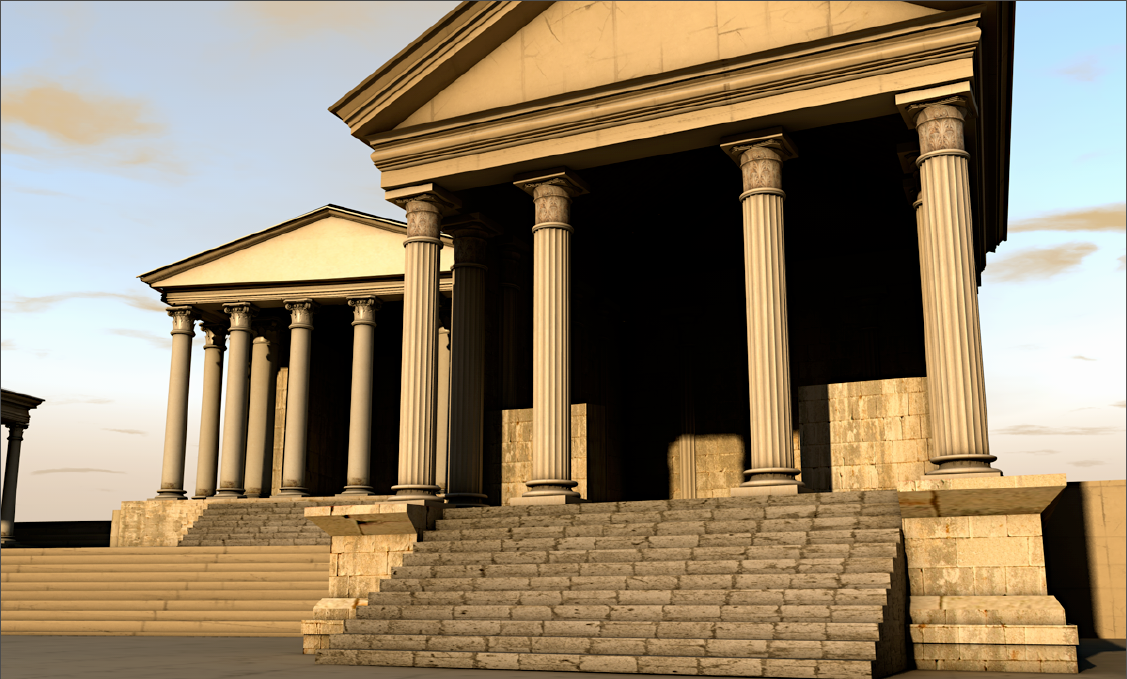
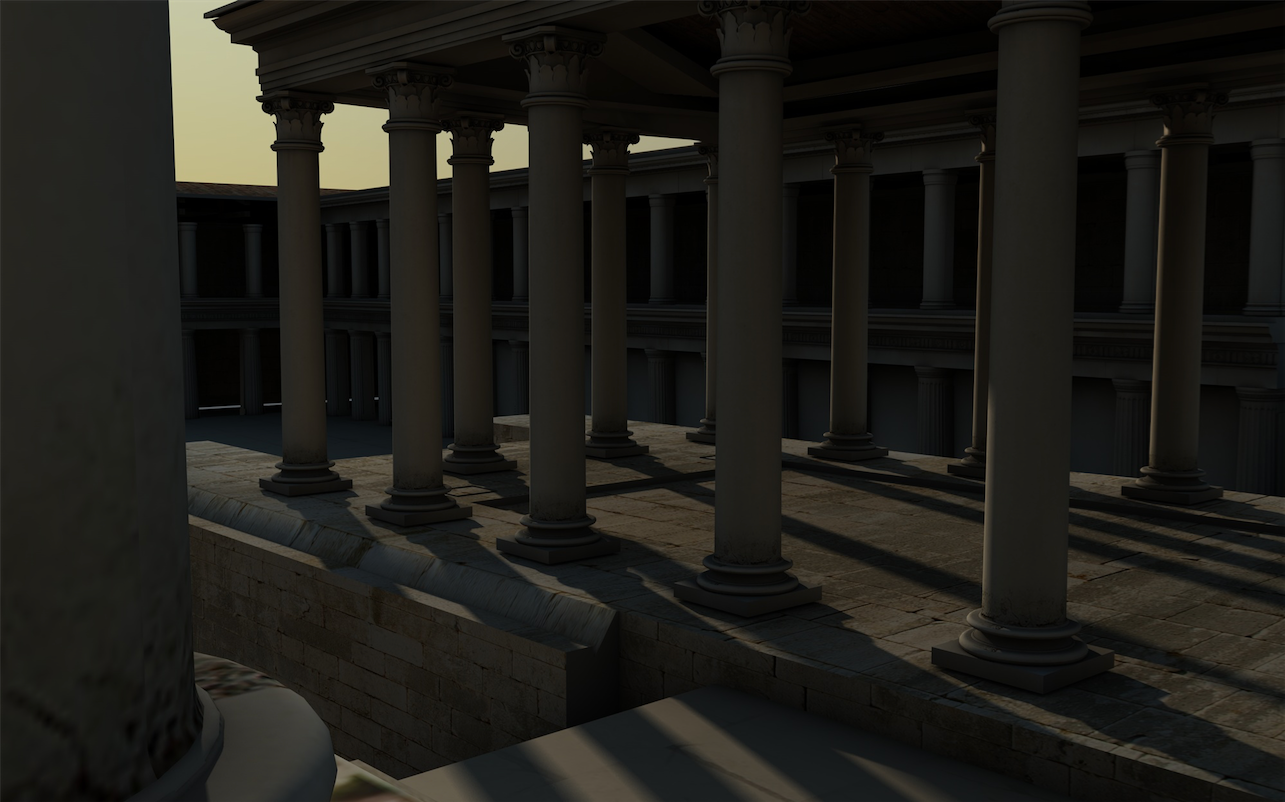
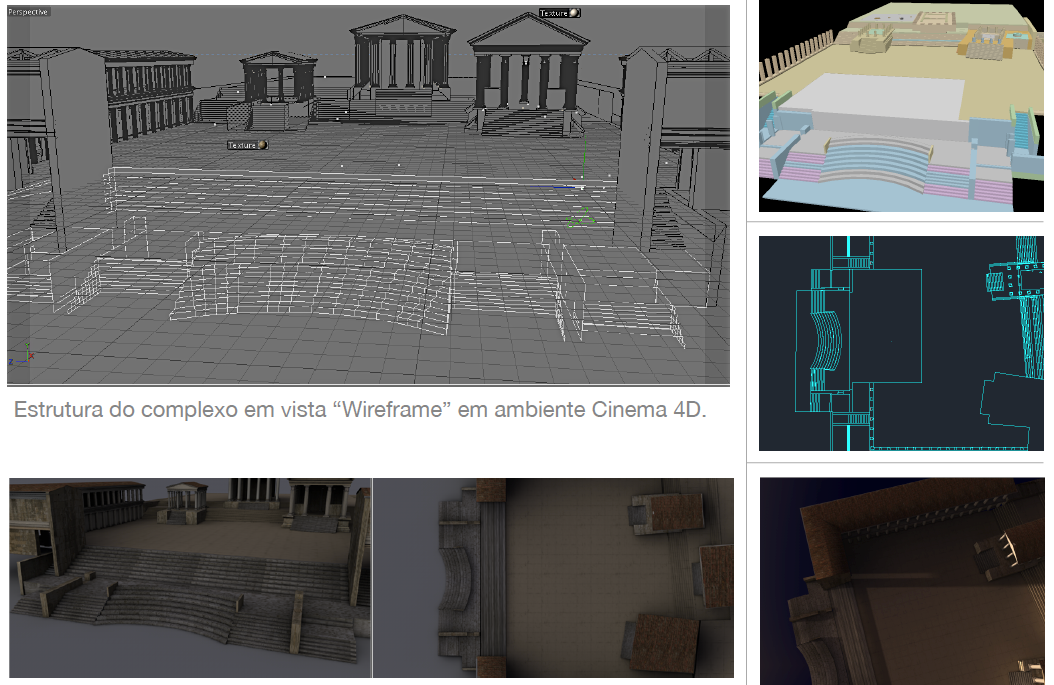
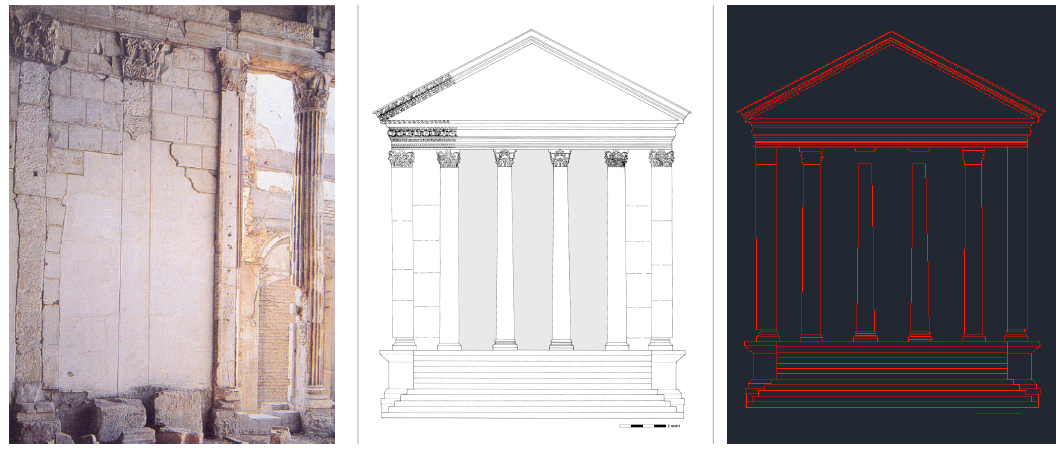
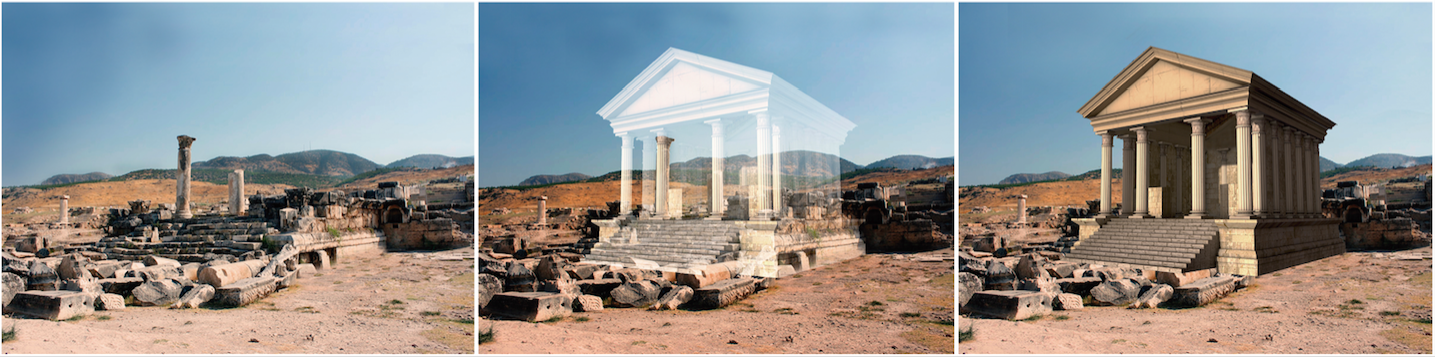
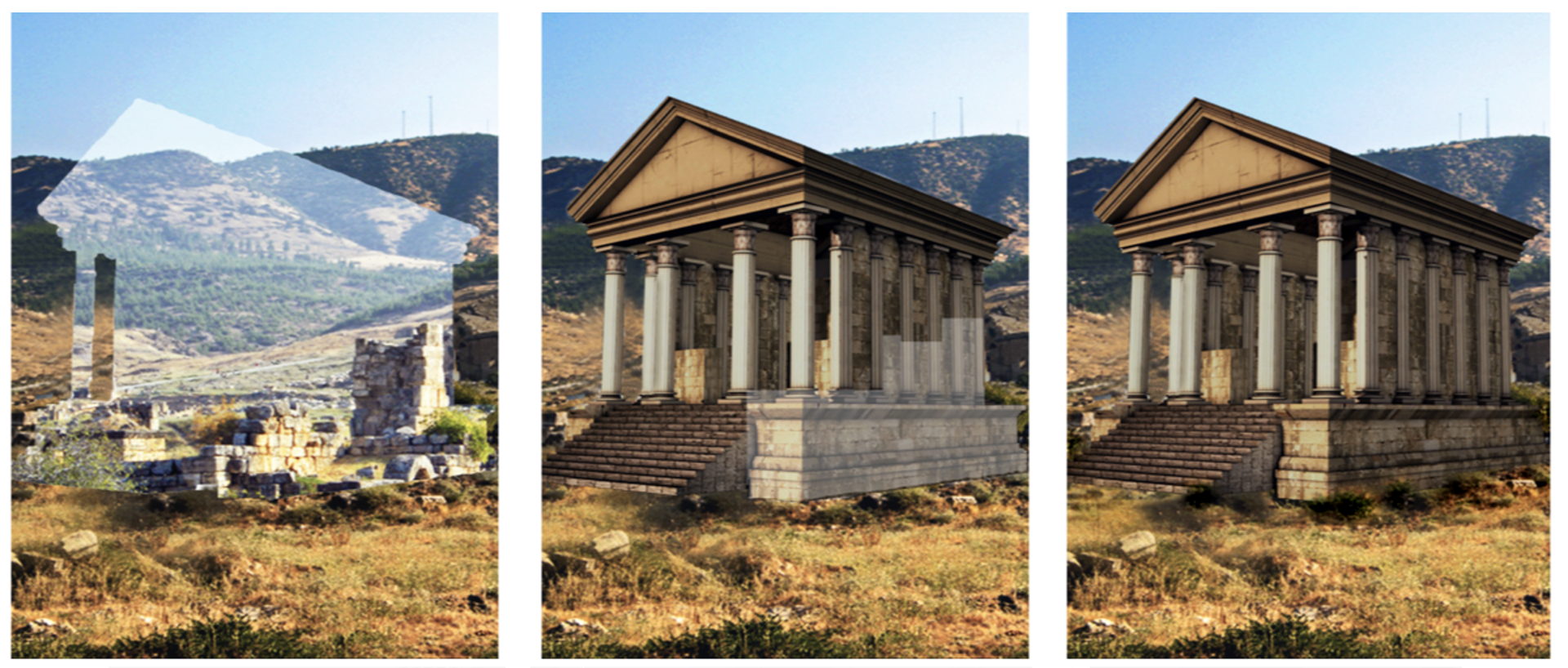
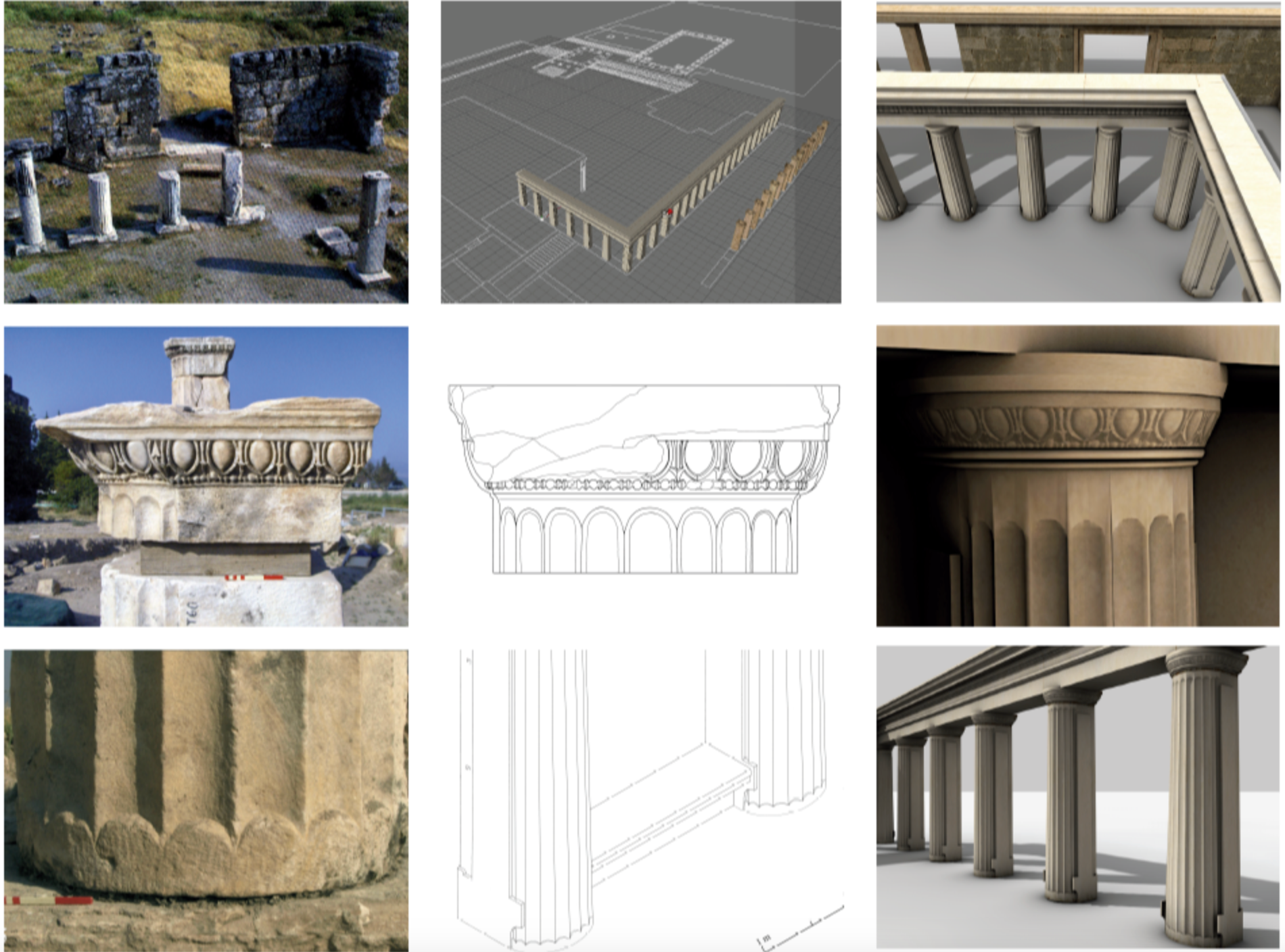
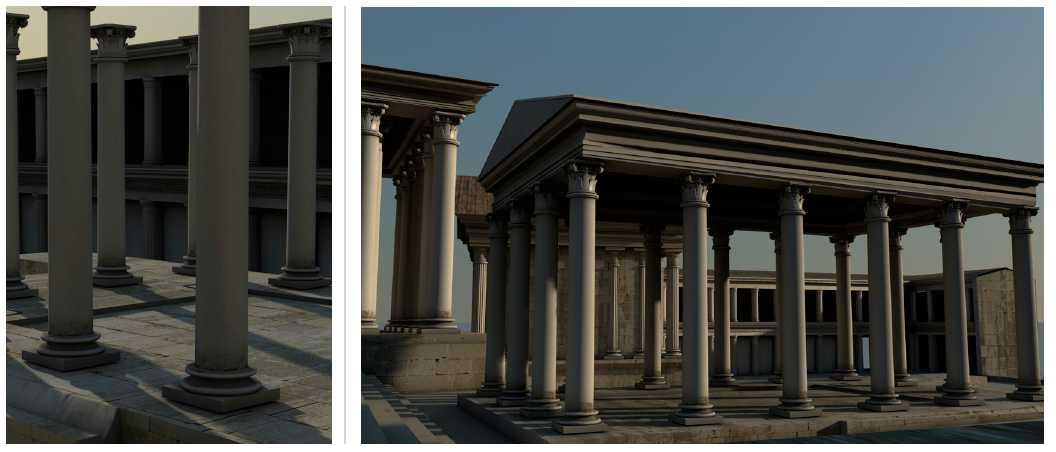
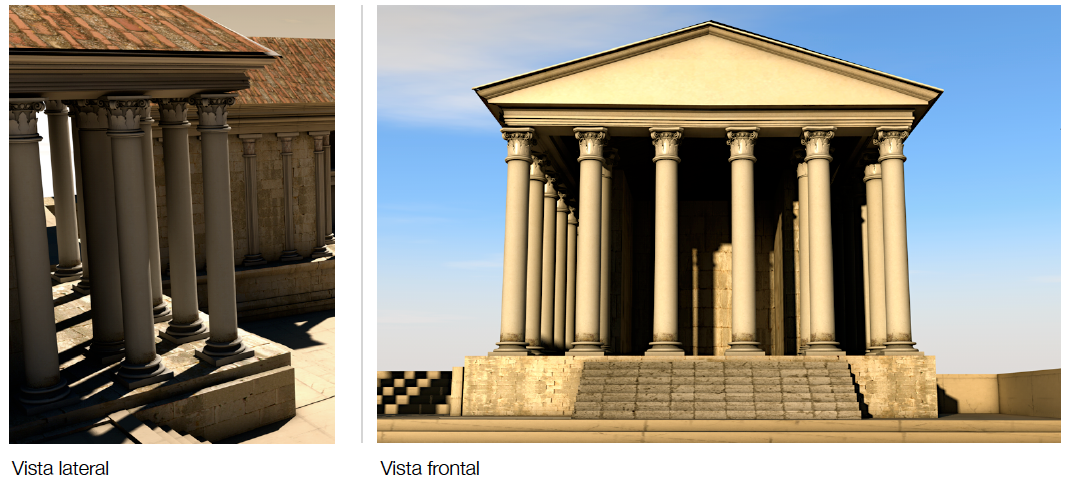
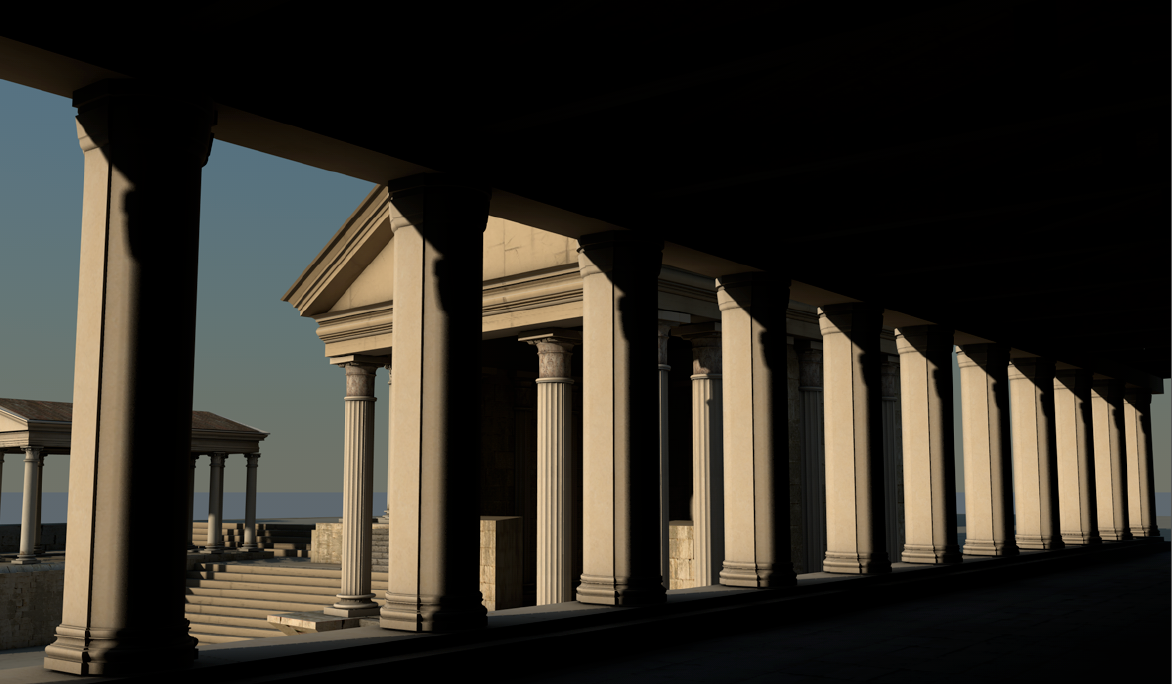
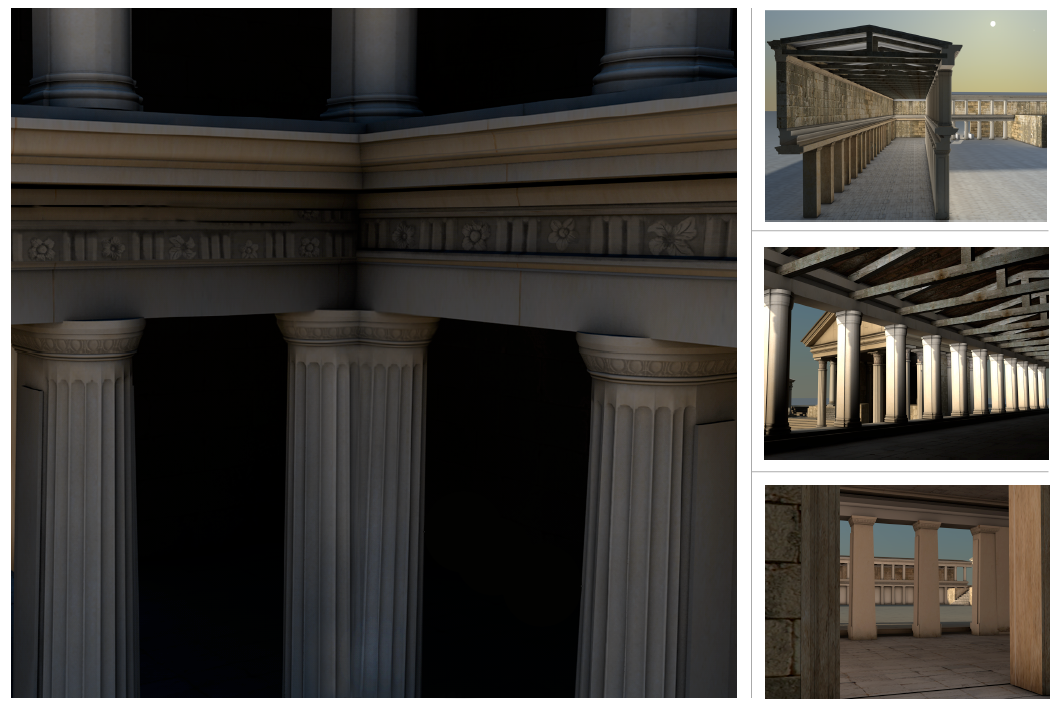
• Developed detailed 3D models of the Apollo Temple and Plutonium using Cinema 4D, AutoCAD, and archaeological reference data.
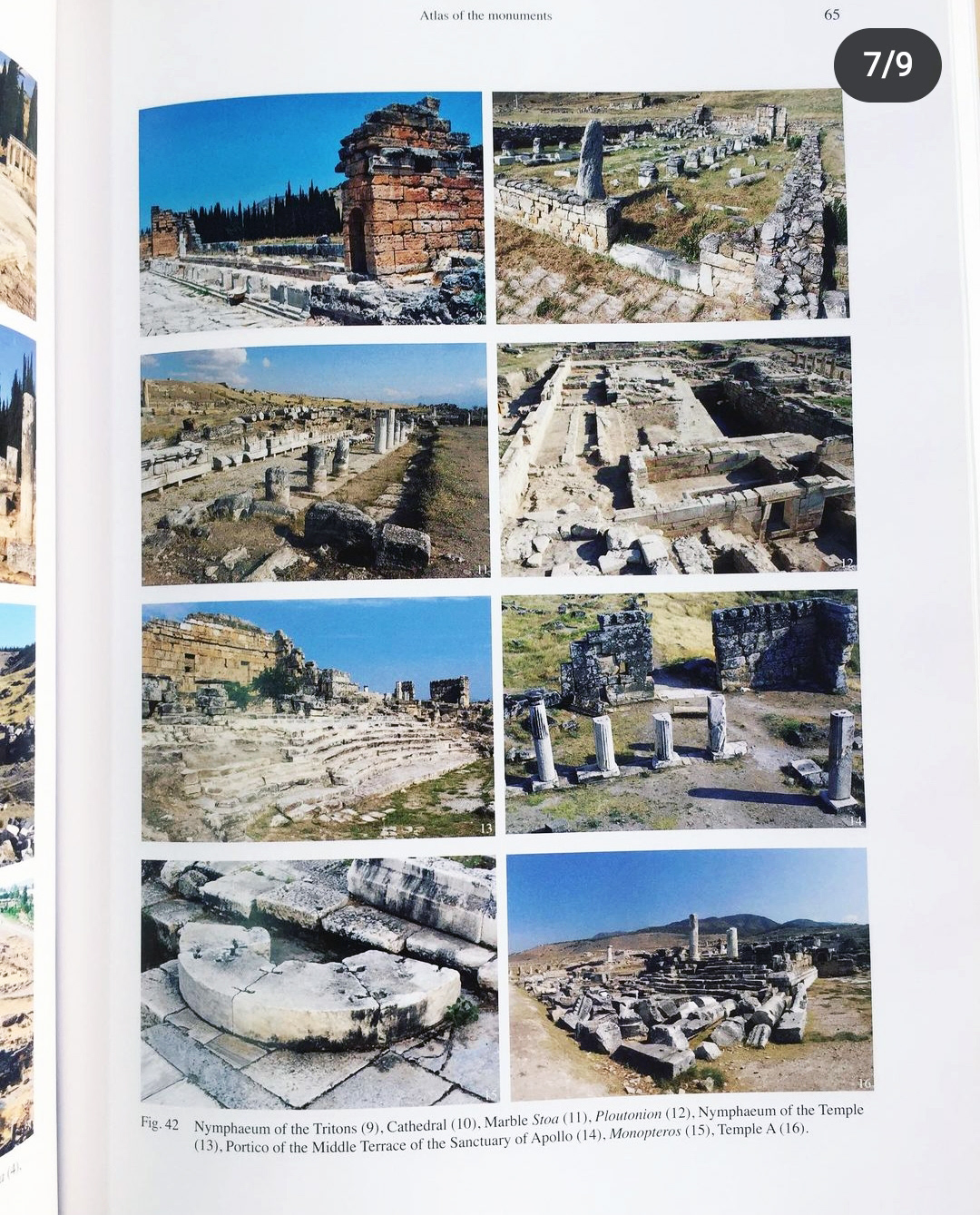
• Restored partially destroyed structures based on excavation records and historical texts.
• Developed detailed 3D models of the Apollo Temple and Plutonium using Cinema 4D, AutoCAD, and archaeological reference data.
• Restored partially destroyed structures based on excavation records and historical texts.
Augmented Reality Experience Design
• Designed a prototype AR app that allows users to explore the sanctuaries in their original form.
• Integrated interactive storytelling and geolocated triggers for visitors on-site using mobile AR.
• Designed a prototype AR app that allows users to explore the sanctuaries in their original form.
• Integrated interactive storytelling and geolocated triggers for visitors on-site using mobile AR.
Content Production
• Created visual and narrative content: from photo retouching and video editing to on-screen text, icons, and timeline overlays using Photoshop and Final Cut Pro.
• Created visual and narrative content: from photo retouching and video editing to on-screen text, icons, and timeline overlays using Photoshop and Final Cut Pro.
UX/UI Design & Data Integration
• Designed user journeys for museum and on-site visitors, combining spatial storytelling, real-time data layers, and archaeological context.
• Managed content deployment using HTML, Joomla, and database tools for multilingual access.
• Designed user journeys for museum and on-site visitors, combining spatial storytelling, real-time data layers, and archaeological context.
• Managed content deployment using HTML, Joomla, and database tools for multilingual access.
Research & Interpretation
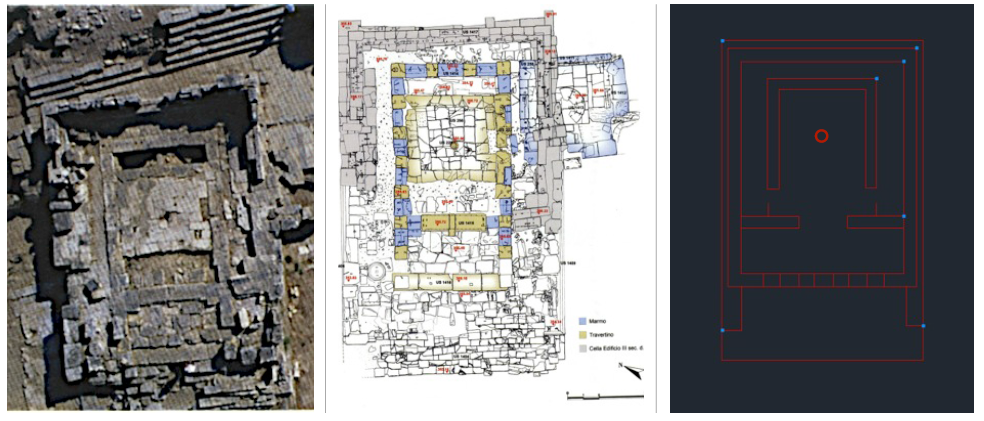
• Conducted historical and mythological research to ensure that every reconstructed element respected cultural accuracy and archaeological integrity.
• Used ArcGIS and ArcMap to map excavation data into layered site models.
• Conducted historical and mythological research to ensure that every reconstructed element respected cultural accuracy and archaeological integrity.
• Used ArcGIS and ArcMap to map excavation data into layered site models.
TECHNICAL SKILLS
• Cinema 4D, AutoCAD, ArcGIS, Photoshop, Final Cut Pro
• HTML, Joomla, SQL Database Management
• Spatial Data Analysis and Archaeology Software
• UX/UI design for AR and digital exhibitions
• Art History & Archeology
• Product Development
• Cinema 4D, AutoCAD, ArcGIS, Photoshop, Final Cut Pro
• HTML, Joomla, SQL Database Management
• Spatial Data Analysis and Archaeology Software
• UX/UI design for AR and digital exhibitions
• Art History & Archeology
• Product Development
OUTCOME & IMPACT
This project exemplifies the future of cultural preservation through immersive technology.
It demonstrated how AR and digital storytelling can reimagine archaeological experiences and elevate public engagement with heritage sites that are otherwise complex, inaccessible, or incomplete.
It was featured in internal presentations at the University of Salento and inspired further development of digital archaeology tools across other heritage projects.
It demonstrated how AR and digital storytelling can reimagine archaeological experiences and elevate public engagement with heritage sites that are otherwise complex, inaccessible, or incomplete.
It was featured in internal presentations at the University of Salento and inspired further development of digital archaeology tools across other heritage projects.
WHY IT MATTERED
The Hierapolis project bridged the gap between ancient ritual spaces and contemporary audiences, unlocking sacred histories and invisible architectures through innovative storytelling. It showed how designers, researchers, and technologists can collaborate to reshape how we interact with and preserve the past transforming academic knowledge into meaningful, interactive experiences. Pioneering the applications of Augmented Reality for tourism, cultural and research projects.